article-title
Bali is a popular place for destination weddings, especially for couples looking for something more personal. Even so, there are legal steps to consider. Understanding Bali marriage laws for tourists means dealing with both paperwork and local cultural requirements.
Can Tourists Legally Get Married in Bali?
The short answer is yes, but it is rarely a “simple” process. While Indonesia allows international weddings, the requirements can feel more involved compared to many other countries.
This is mainly because marriage is not handled as a purely civil process. It needs to be recognized both through a religious ceremony and by the state.
Key Marriage Laws in Indonesia
For a wedding in Bali to be legally recognized, it must adhere to Law No. 1 of 1974. This law remains the foundation of all unions on the island:
- The Same Religion Requirement: Both partners must profess the same religion. Indonesia recognizes Islam, Protestantism, Catholicism, Hinduism, Buddhism, and Confucianism.
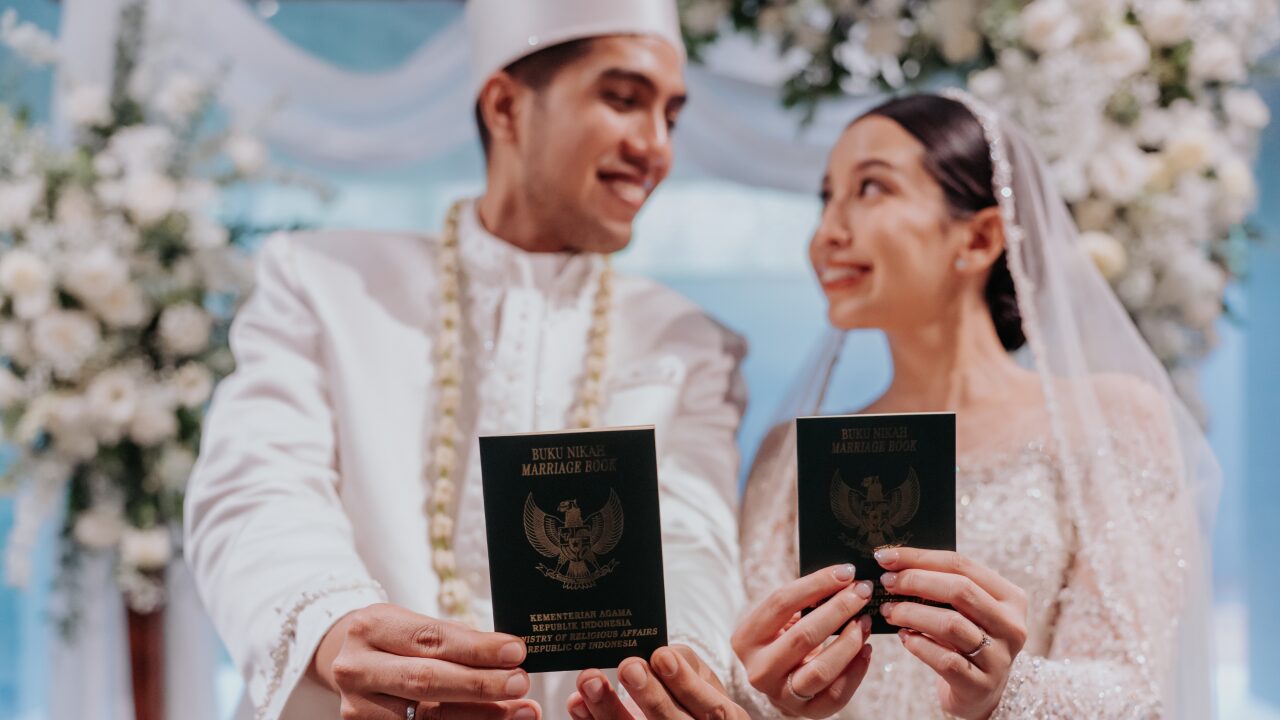
- The Dual Ceremony: A legal marriage requires two parts—a religious ceremony performed by a celebrant and a civil registration by the Kantor Urusan Agama (KUA) or Catatan Sipil.
- Legal Recognition: After both steps are completed and officially recorded, the marriage is generally considered valid in Indonesia. In many cases, it can also be recognized in your home country once it is properly reported.
Documents Required for Foreigners
Handling the paperwork for a wedding in Bali usually takes some preparation. There are a few documents that couples are typically asked to prepare beforehand.
| Document | Description |
| Passport | Should be valid for at least six months from your wedding date. |
| CNI (Certificate of No Impediment) | Issued by your embassy or consulate, confirming you are legally free to marry. |
| Birth Certificates | Original copy, sometimes with an Indonesian translation. |
| Divorce/Death Decree | If applicable, to show the end of a previous marriage. |
| Photo | Usually 4×6 size, often with a red background for registration purposes. |
Legal vs. Symbolic Weddings in Bali
Choosing between a legal and a symbolic wedding is often a choice between bureaucracy and the experience.
A Legal Wedding
Provides you with a government-issued certificate but involves significant “admin” time, from consulate visits to meeting religious requirements. It is a path for those who need their Bali ceremony to be their primary legal anniversary.
A Symbolic Wedding
The preferred choice for those seeking a quiet union. It looks and feels like a traditional wedding, with vows and a celebrant, but without the legal friction. This allows for total creative freedom mixing rituals or choosing a non-traditional flow without needing state approval.
Simplest Way to Get Married in Bali

For many modern couples, the most intentional and stress-free approach is to separate the “contract” from the “celebration.”
We often recommend handling the legalities in your home country, a simple civil ceremony at a local registry office and then treating your time in Bali as the true emotional union. This removes the weight of Bali marriage laws from your shoulders.
By choosing this path, you can focus entirely on the atmosphere. In creative venues like Titik Dua, a symbolic ceremony allows the narrative of your day to stay centered on your connection, framed by the art and soul of Ubud, rather than a stack of paperwork.
FAQ
Do we need to arrive in Bali early to handle paperwork?
Yes. If you are pursuing a legal marriage, most consulates require you to be in the country at least a few days before the ceremony to process your CNI.
Is a symbolic wedding “lesser” than a legal one?
Not at all. In fact, most destination weddings in Bali are symbolic. It allows the couple to focus on the curated details and the unique experience rather than legal formalities.
Will our home country recognize a Bali marriage certificate?
If you complete the full legal process (Religious and Civil), most countries will recognize it once you register the certificate with your local authorities back home.