article-title
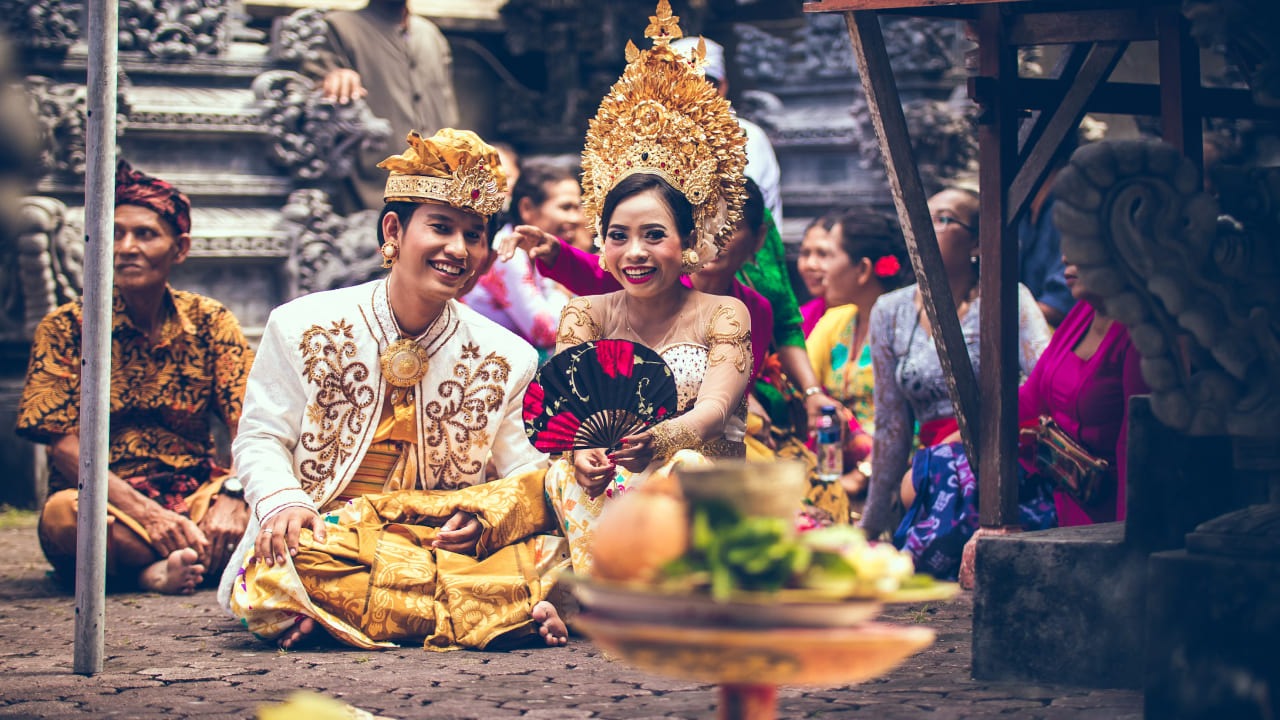
In Indonesia, marriage is not merely a civil contract; it is fundamentally a religious act. Under the 1974 Marriage Law, a union is only recognized when performed through the specific rituals of a state-sanctioned faith.
For couples choosing Bali as their destination, this means there is no “civil-only” option. The spiritual ceremony must come first. Only after the religious authorities have issued a certificate can the marriage be recorded by the Civil Registry (Pencatatan Sipil) to be legally recognized both locally and internationally.
Recognized Religions in Indonesia
To marry in Bali, the ceremony must fall under one of the six officially recognized faiths:
- Islam
- Catholicism
- Protestantism
- Hinduism
- Buddhism
- Confucianism
Religious Wedding Requirements by Faith
Each faith carries its own set of traditions and administrative prerequisites. Understanding these nuances is the first step toward a seamless ceremony.
1. Hindu Weddings
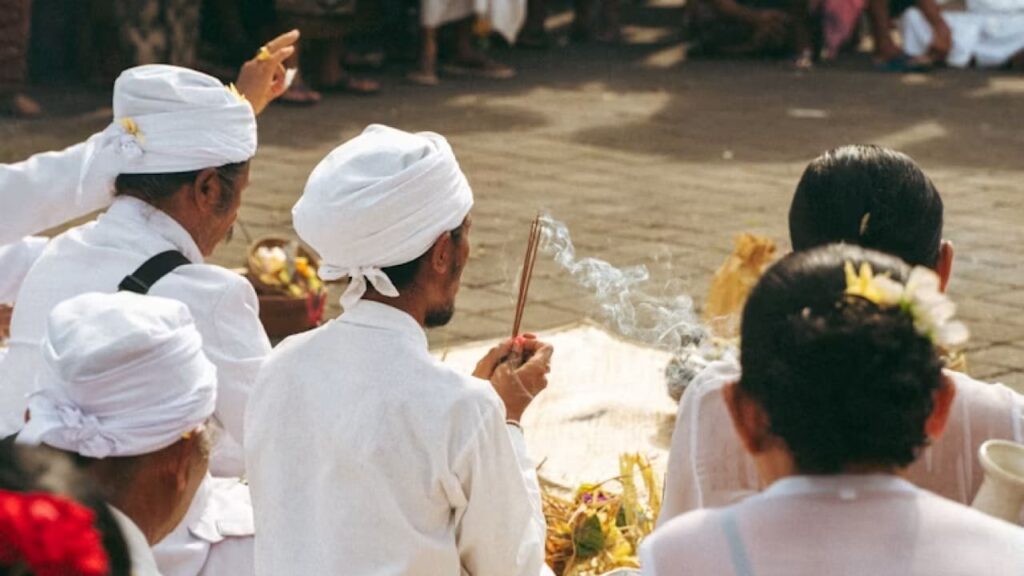
As the predominant faith in Bali, Hindu ceremonies are deeply woven into the island’s landscape.
- The Ritual: Conducted by a Pandita or Pemangku (priest).
- Requirements: At least one partner must officially be Hindu. The ceremony often involves traditional Balinese offerings (Banten) and takes place in a dedicated sanctified space.
2. Christian & Catholic Weddings
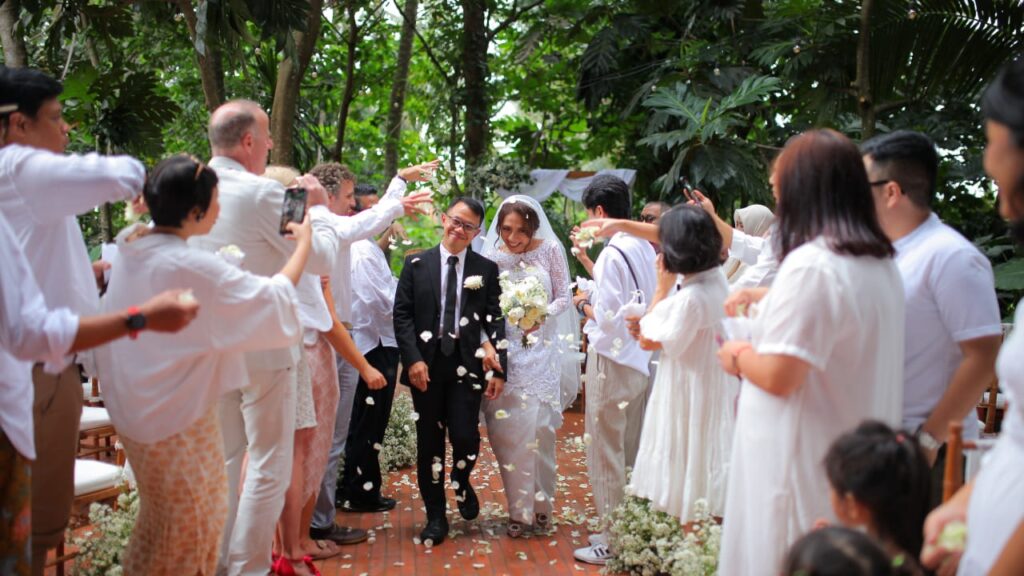
Requirements for Christian weddings in Bali are not uniform. If you are Protestant, the process usually centers on a Consular “Letter of No Impediment” and your baptismal records.
Catholicism, however, follows a much narrower path. Moving the ceremony to a Bali parish requires a specific Delegatio letter from your priest back home. It is also important to remember that Catholic rites here are almost exclusively held inside a church building. Beach or garden ceremonies are rarely, if ever, permitted under local diocese rules.
3. Muslim Weddings
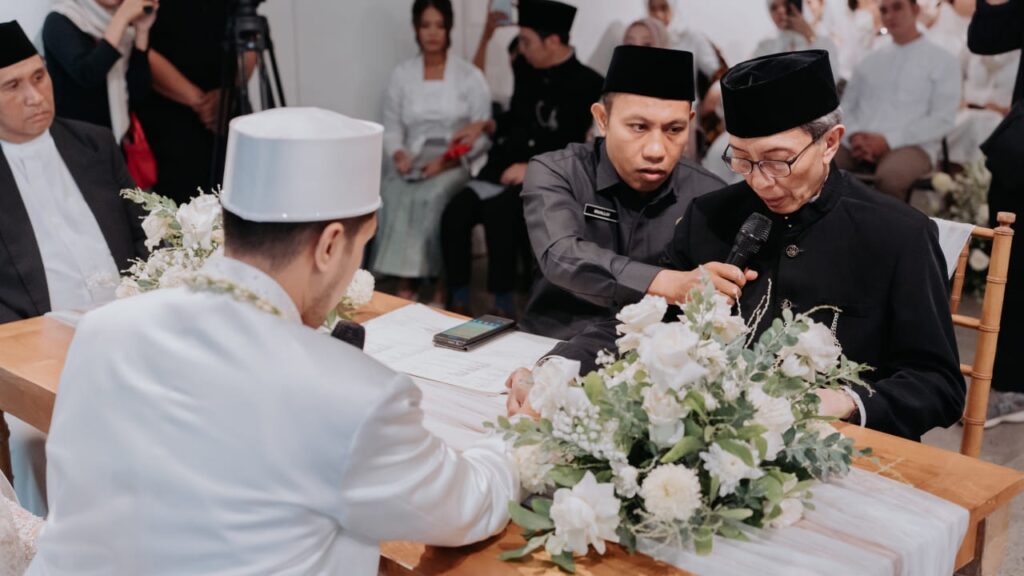
Muslim ceremonies are managed by the Kantor Urusan Agama (KUA).
- The Authority: The KUA official must be present to witness the Akad Nikah.
- Documentation: Both partners must provide proof of their faith (Syahadat certificate if converted) and fulfill the specific administrative requirements of the local KUA office.
The Sequence of Legality
The religious ceremony is the gatekeeper of legal marriage. In Bali, the process follows a strict order:
- Religious Rite: The couple is married by a religious official.
- Certification: A certificate of marriage is issued by the religious body.
- Civil Registration: This certificate is presented to the Civil Registry.
Without the first step, the second cannot exist. For many foreigners, the religious and civil ceremonies are performed on the same day, one after the other, to ensure the union is legally binding before they leave the island.
Can Foreigners Choose Any Religion?
Indonesian law does not permit interfaith marriage. Both individuals must profess the same religion on paper. While Bali is welcoming, Indonesia still requires honesty in religious compliance; you can choose a specific religious rite only if you officially follow that faith. Mixing rituals from two different religions into one legal ceremony is not recognized under current regulations.
Administrative Considerations
Navigating foreign regulations requires a certain level of patience. For most couples, the journey involves managing several layers of administration.
- The Documentation: All foreign records must be translated by a sworn translator and legalized by the relevant embassy.
- Language and Ritual: Religious officials often perform the rite in Indonesian. To keep the meaning and flow intact, having a dedicated coordinator is essential.
- Timelines: Document processing can take months. Starting at least six months in advance is recommended for 2026 celebrations.
When a Religious Wedding Is Not Practical
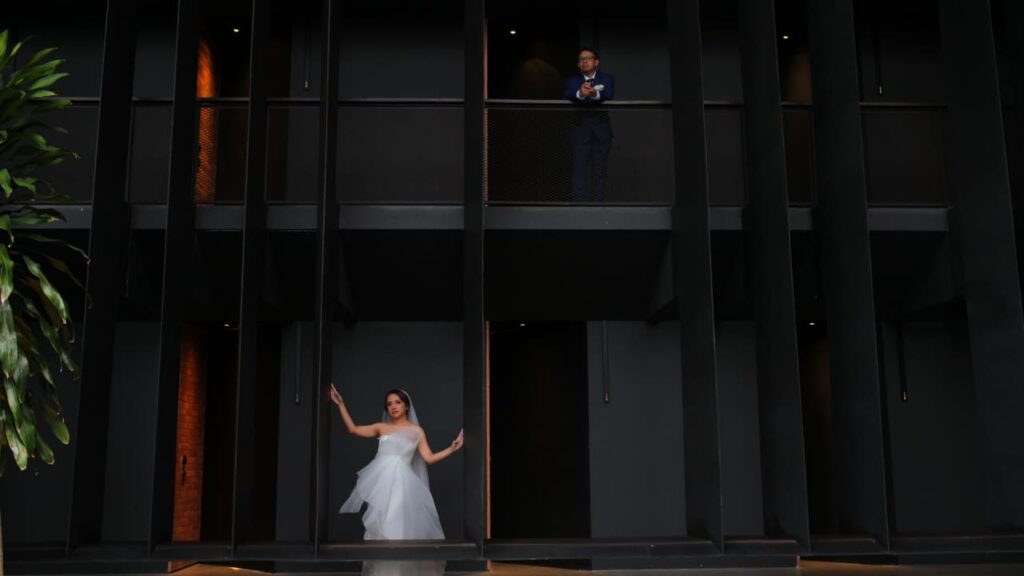
For some, the administrative weight of a legal religious wedding feels at odds with the spirit of their celebration. This is why many choose a Symbolic Wedding.
In a symbolic ceremony, there are no legal or religious constraints. You can exchange vows in a way that feels personal and intentional, having already handled the legalities in your home country. This allows the focus to return to the connection itself.
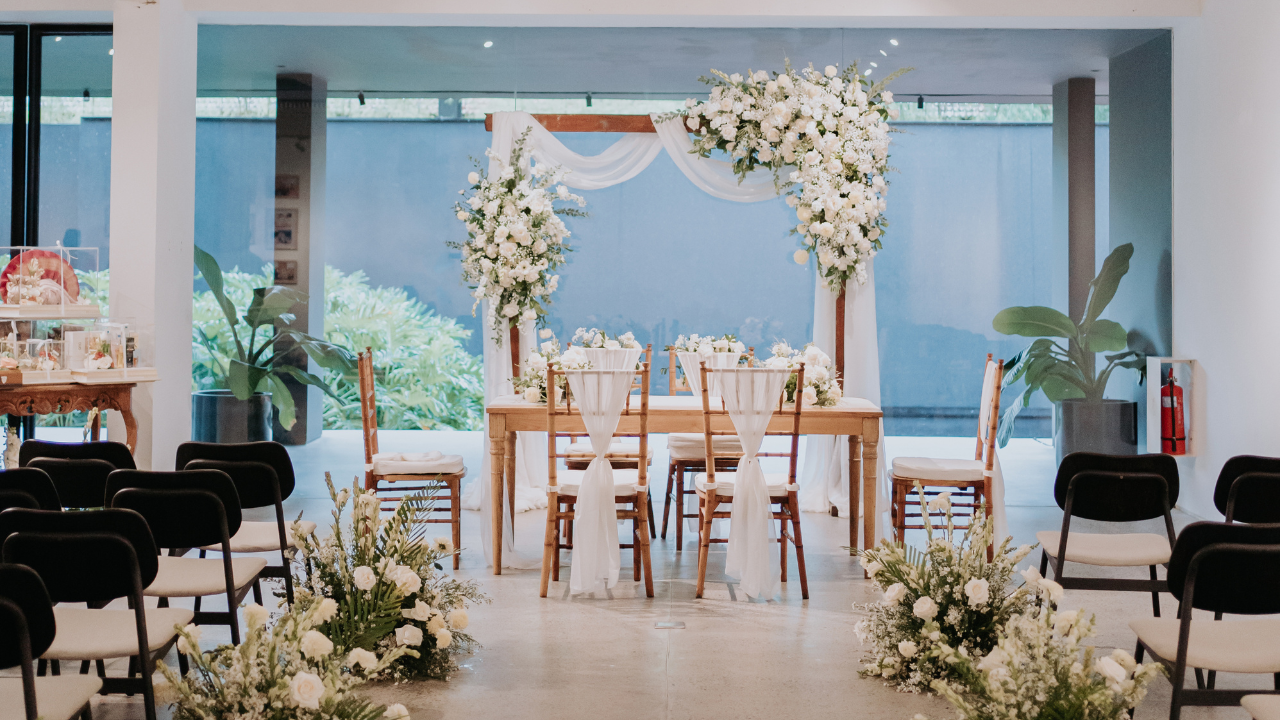
At Titik Dua, we often see couples opting for this path. Within our creative space, a symbolic union feels right—unburdened by paperwork, focused entirely on the curated details of the moment.
FAQs
Can we get married if we are of different religions?
Legally, no. You must both declare the same religion to have a recognized wedding in Indonesia. Many couples solve this by having a civil ceremony at home and a symbolic one in Bali.
How long does it take to get the marriage certificate?
If all documents are ready, the civil registry can often issue the certificate within a few days of the religious ceremony.
Do we need witnesses?
Yes, two witnesses are required for both the religious and civil proceedings.