article-title
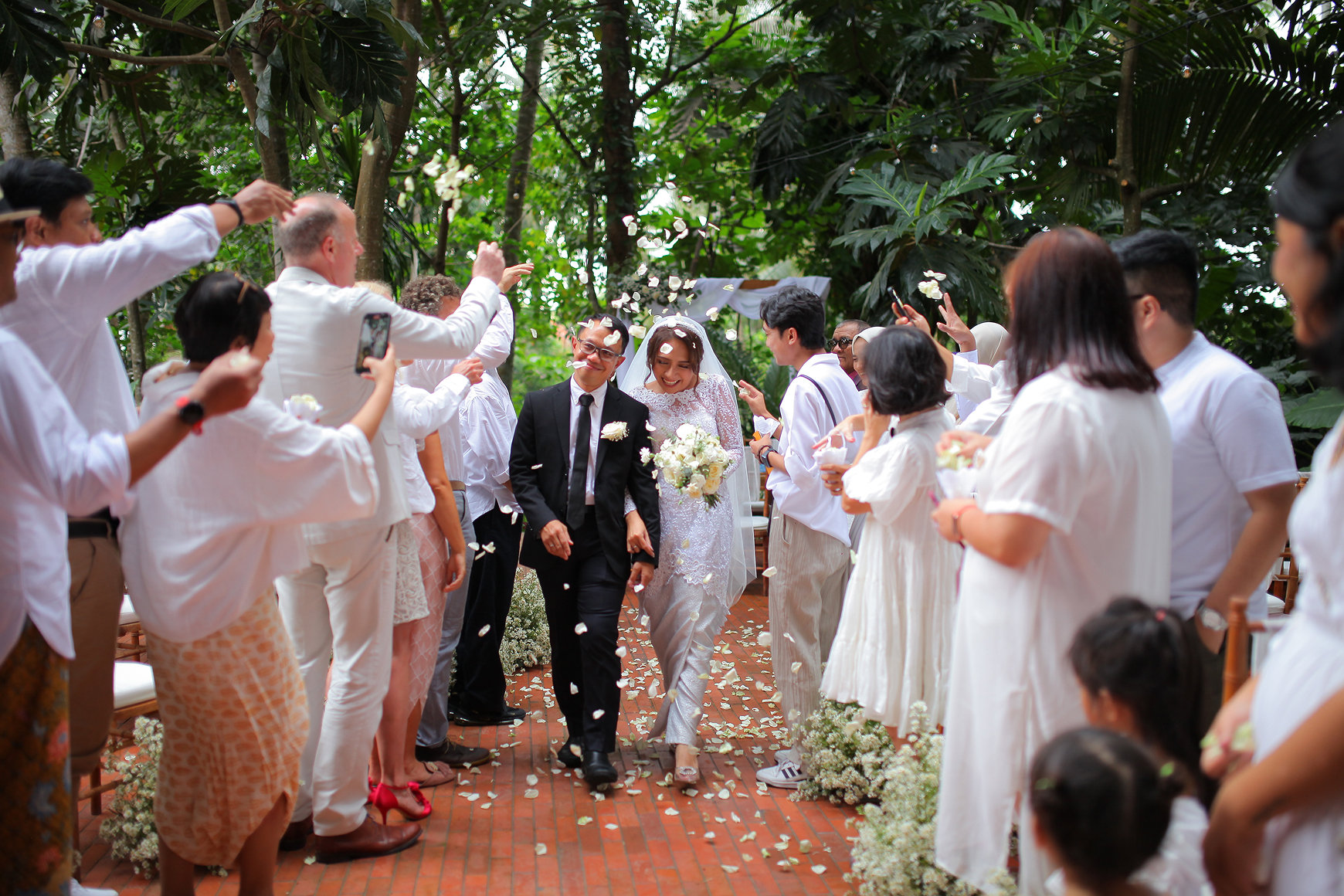
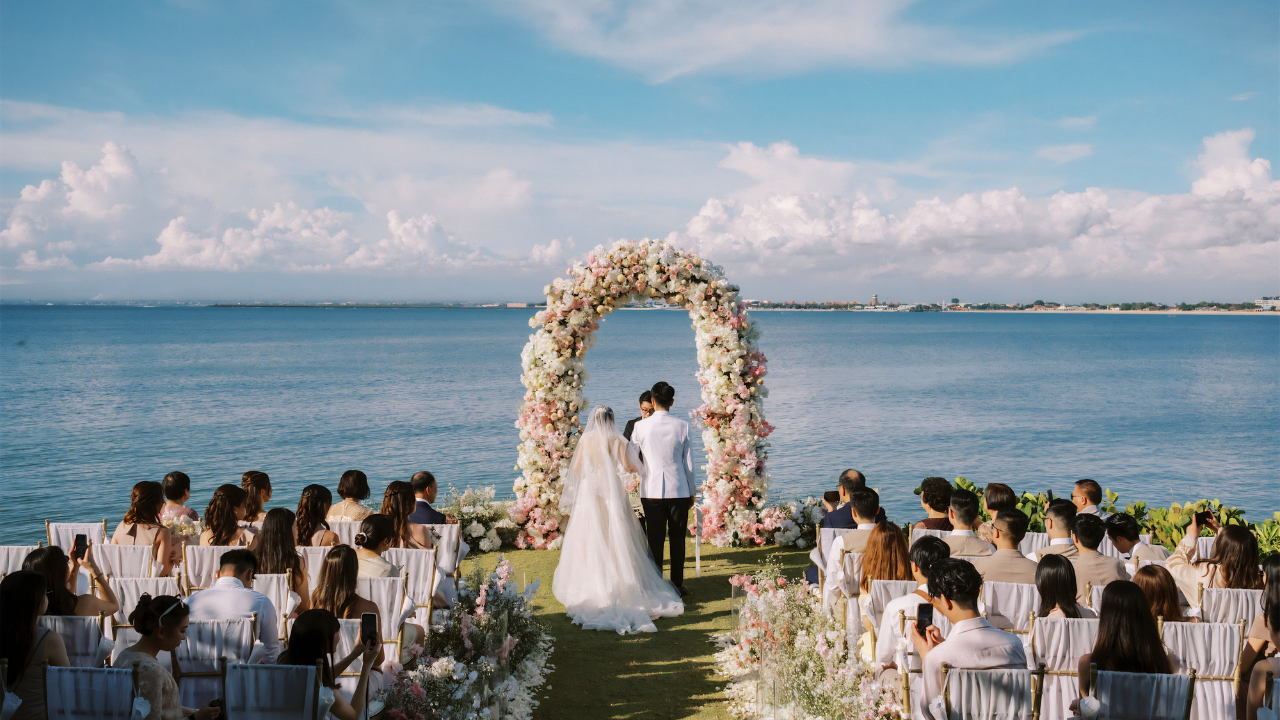
While Bali’s beaches draw large resort weddings, Ubud attracts couples who want something more personal. Jungle scenery, boutique venues, a deeply spiritual atmosphere, and genuinely beautiful architecture combine to create a wedding environment that feels curated rather than generic.
Many couples choose Ubud specifically because it offers privacy, natural beauty, and an immersive experience that beach venues rarely match for both the couple and their guests. To make the most of your wedding in Ubud, we’ve curated a step-by-step outline to guide your planning process!
Why Ubud Works So Well for Weddings
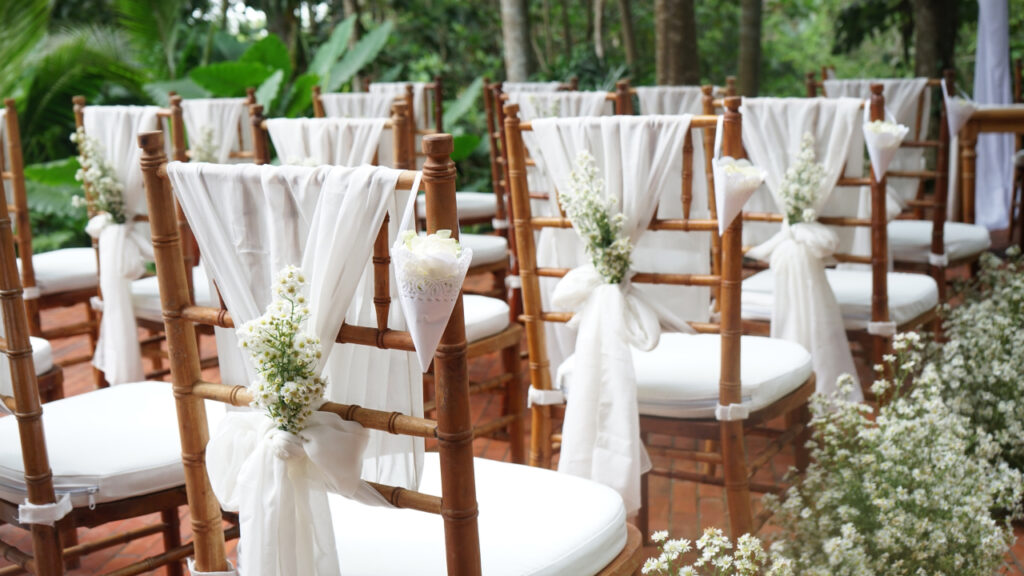
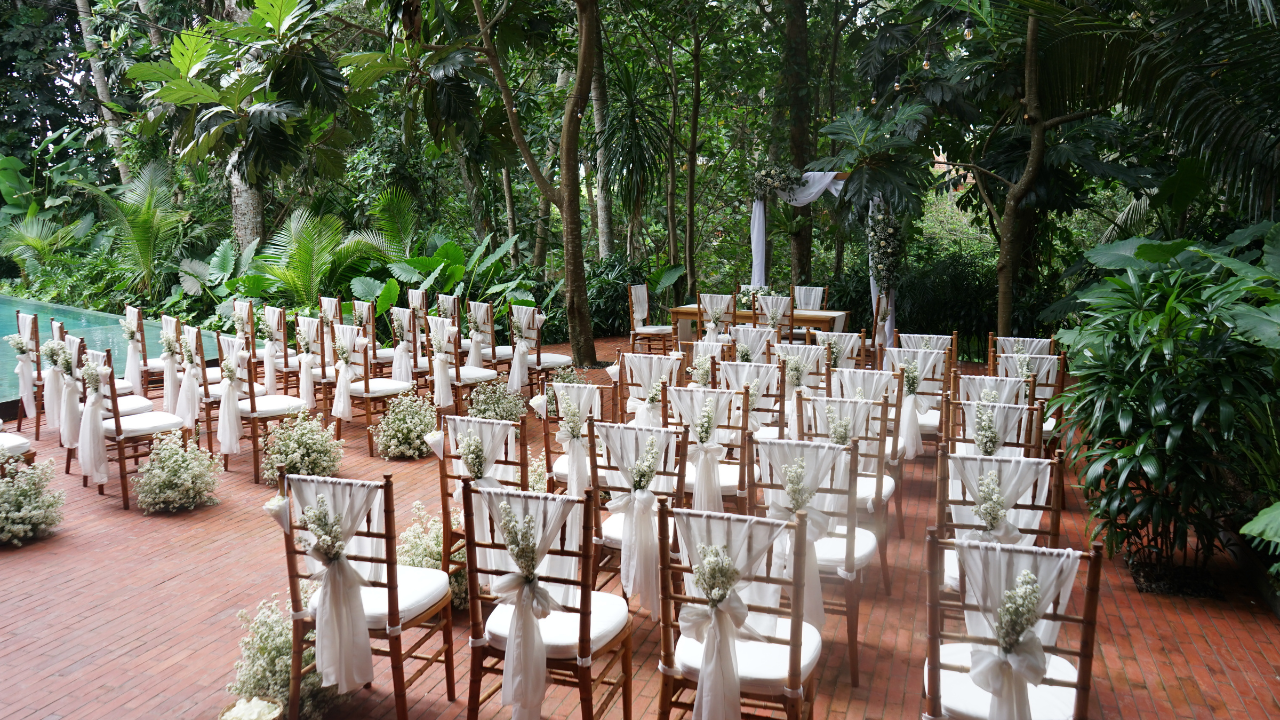
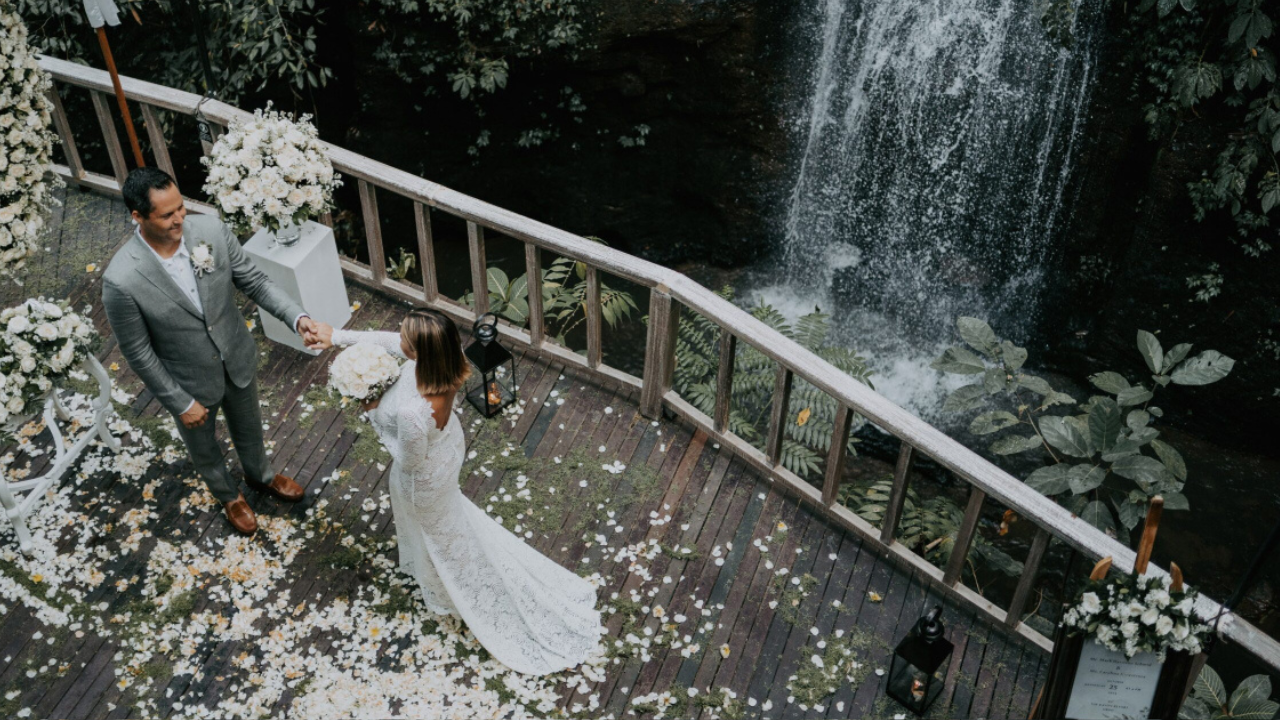
The jungle scenery does things to a ceremony that no amount of floral arrangement can replicate, morning light through leafy canopies, the sound of a nearby river, air that smells faintly of incense and rain.
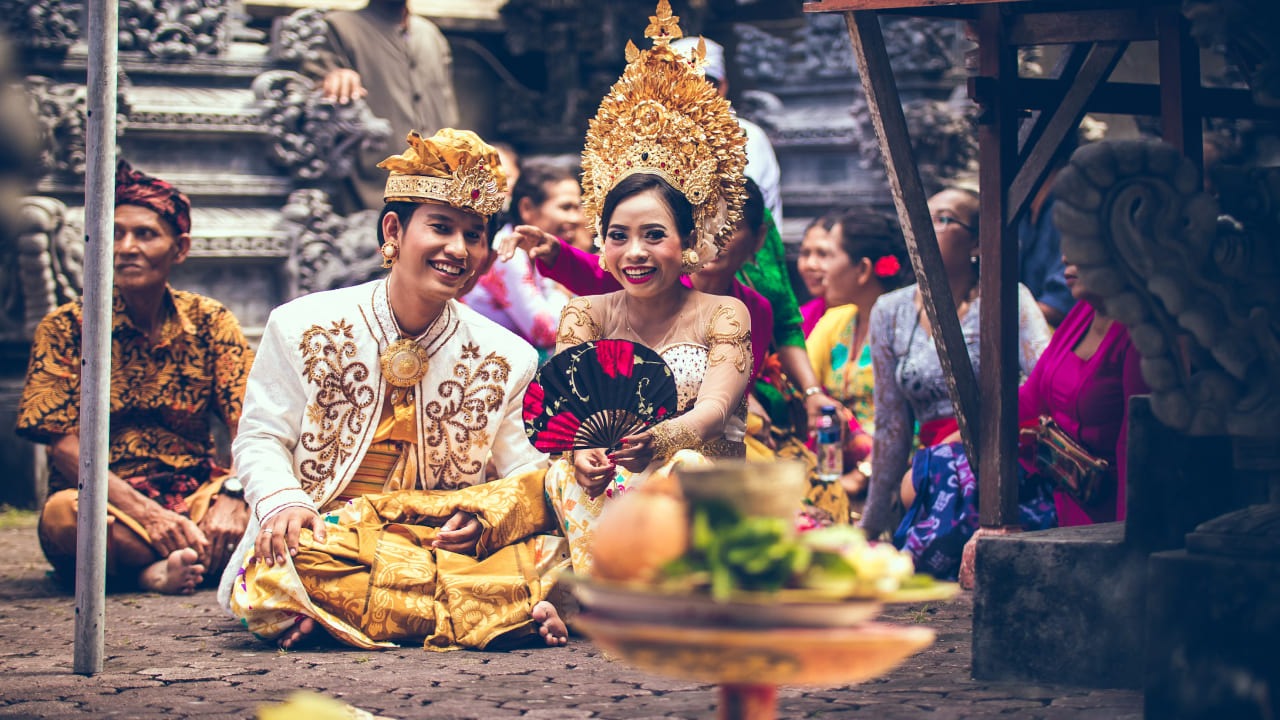
Ubud’s boutique venues are built for small gatherings rather than adapted from large ones, which makes a considerable difference in how the day feels. Add the spiritual atmosphere of a town where Balinese Hindu ceremonies happen on every street every morning, and you have a setting that carries meaning without having to manufacture it.
Many couples specifically choose Ubud over a beach wedding for the privacy. No tourists walking past during your vows. Just green, and quiet, and the people you brought with you.
Step-by-Step Guide to Planning a Wedding in Ubud
Step 1: Decide on Your Wedding Style
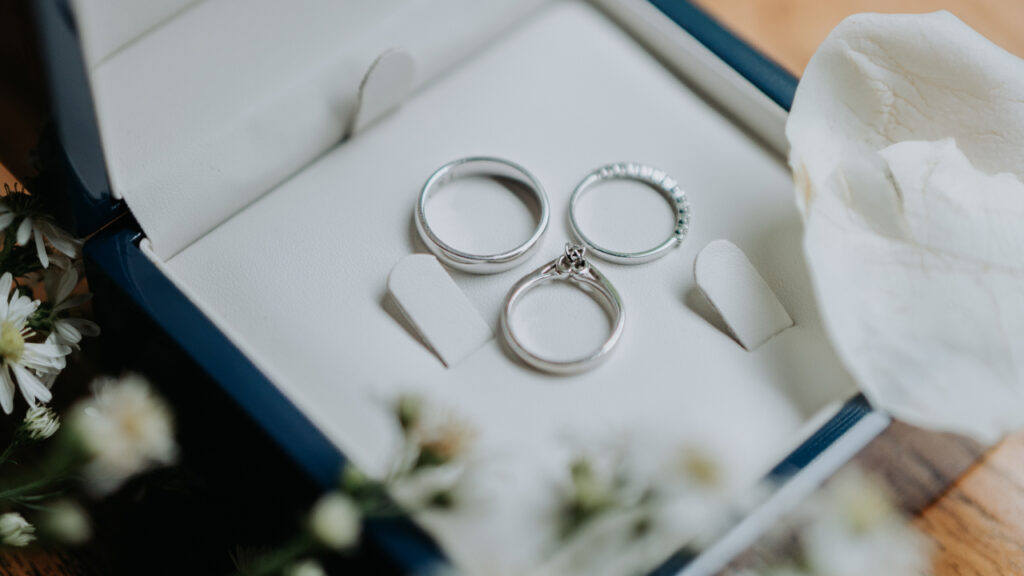
The thing about getting married in Bali is the legalities that come with it.
In short, there are two major requirements to having your marriage legally binding, should you wish to go through with a civil ceremony.
- Religious ceremonies must be conducted according to one of the five religions recognized in Bali: Christian Protestant, Catholicism, Islam, Hinduism, and Buddhism. The marriage will then be recognized and legalized by being registered in the civil registry.
- For foreigners marrying in Bali, you will need several documents prepared:
- Passports + birth certificates
- Certificate of No Impediment (CNI) from your consulate in Indonesia
- Proof of religion (Indonesia requires a religious ceremony for legal marriages)
- Divorce/death certificates, if previously married
Another alternative is by planning an island reception. This is more of a formality celebration, but a celebration nonetheless, often preferred by foreigners who dream of marrying in Bali. Surrounded by your loved ones in a dreamy setting without having to deal with pesky paperwork.
Simply register your marriage in your home country, then bring the party to Bali for an unforgettable extension of your special day.
Step 2: Choose the Right Wedding Venue in Ubud
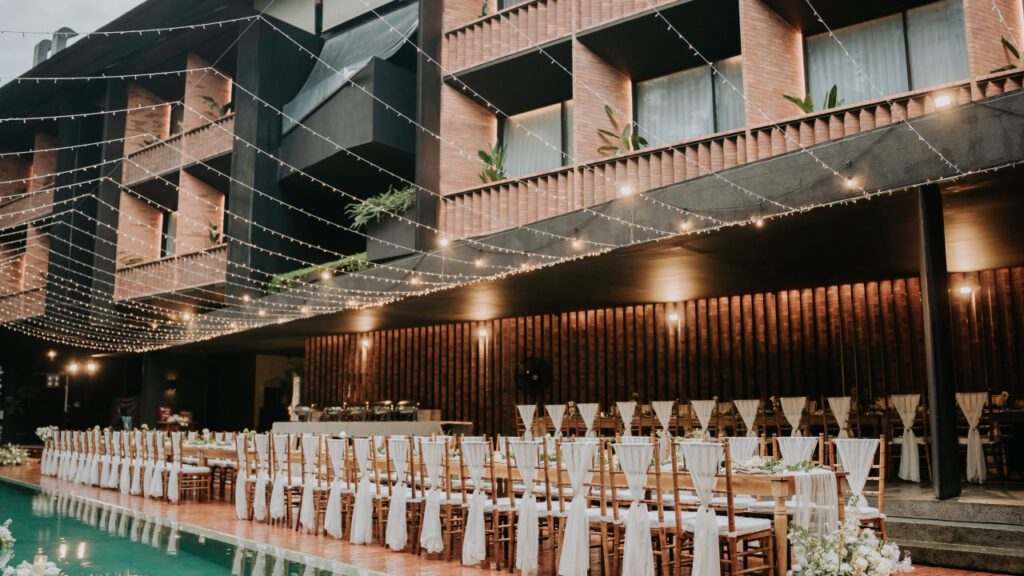
This is the decision that shapes everything else, so it is worth being specific about what to look for rather than just searching “best wedding venues Ubud” and scrolling through imagery.
A good Ubud wedding venue should offer a dedicated ceremony space, a reception area suited to your guest count, on-site accommodation for guests, genuine privacy, and a weather contingency for Ubud’s tropical afternoon rains.
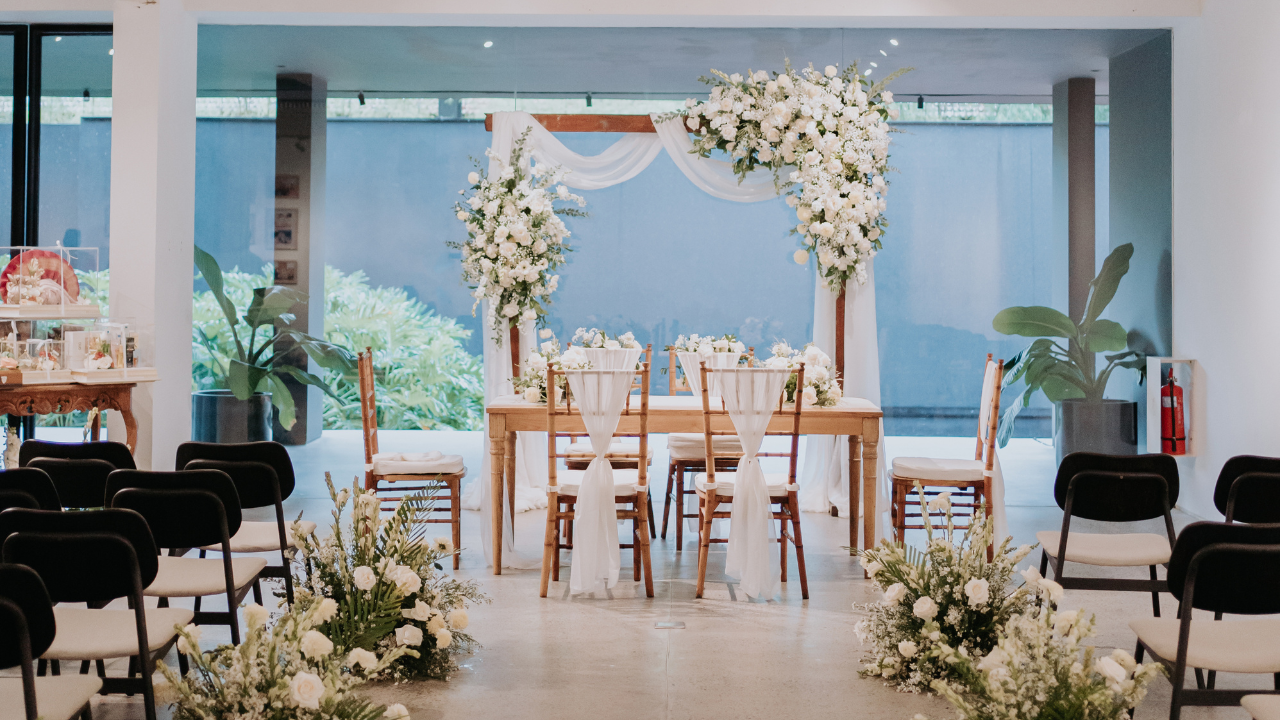
Boutique hotels like Titik Dua Ubud bring all of these elements together in one property, eliminating logistics and keeping the focus on the celebration itself. Couples can host ceremonies to reception and even after-parties, while guests stay without splitting the experience across multiple locations.
Step 3: Set Your Budget
Ubud weddings span a wide range depending on guest count, venue, and inclusions.
| Wedding Type | Estimated Budget |
| Intimate wedding | USD 10,000–15,000 (around IDR 150 mil to IDR 300 mil) |
| Boutique venue wedding | USD 15,000–30,000 (around IDR 300 mil to IDR 500 mil) |
| Luxury resort wedding | USD 30,000+ (from IDR 500 mil) |
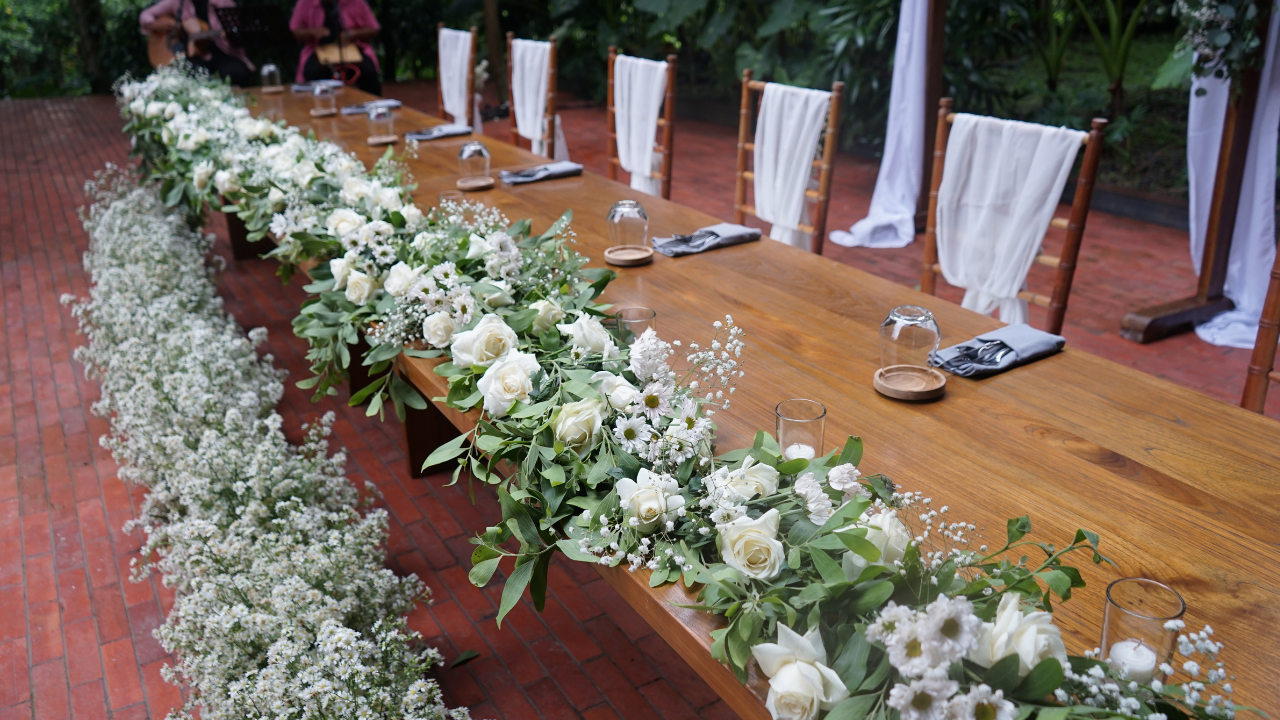
For your peace of mind, our packages at Titik Dua Ubud are all-inclusive. That includes ceremony decor, welcome drinks and canapés, buffet dinner reception, beverage packages, and two-night hotel takeover options, giving couples a clear all-in starting point.
Step 4: Build Your Wedding Weekend
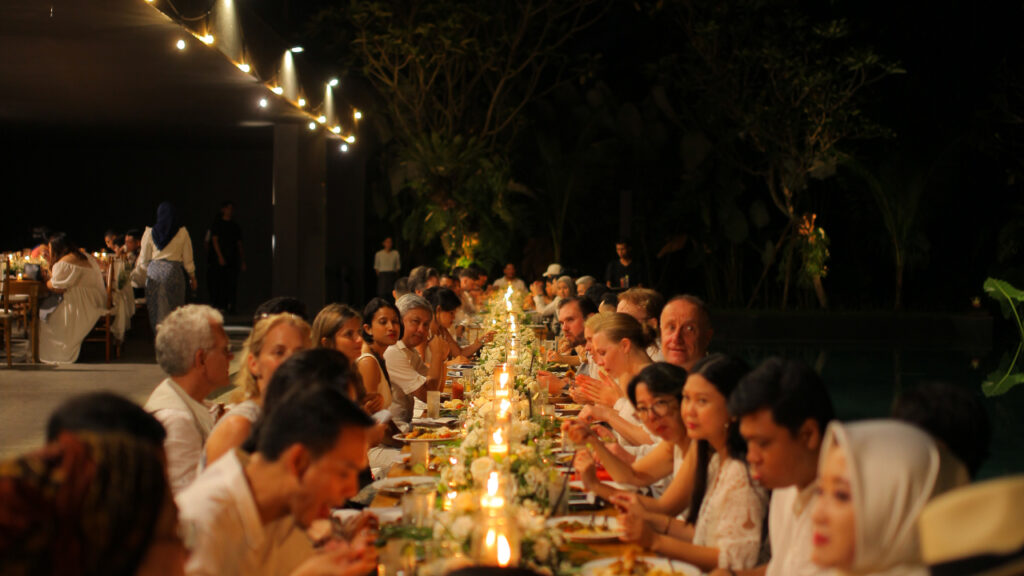
Destination weddings earn their value when extended beyond a single day.
The welcome dinner the night before, when everyone finally arrives and finds each other. The morning-after, when energies are high. The sacred ceremony and reception on the main day. A space for the after-party. The calm breakfast before a guided Ubud excursion fills the time naturally.
That is generally what a destination wedding actually looks like when it works.
Step 5: Work With a Local Wedding Planner
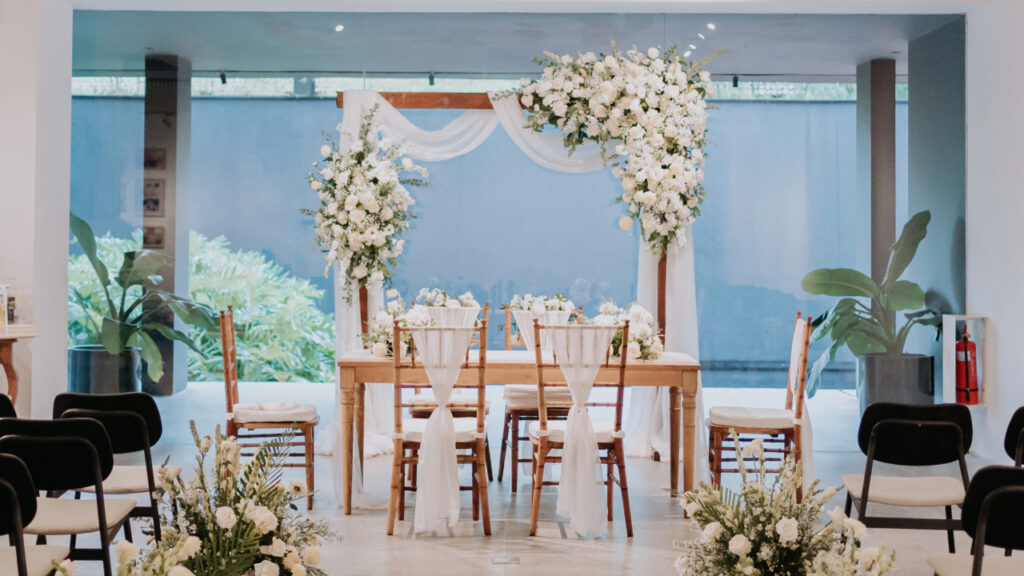
A Bali-based wedding planner coordinates vendors, manages the day’s timeline, and handles the legal requirements for a recognized ceremony in Indonesia. While not strictly required for ceremonial celebrations, a good local planner removes the most stressful elements of planning from abroad and pays for itself in avoiding mistakes.
Our events team is well-equipped to cater to your needs before, during, and after your big day to ensure a seamless transition until we bid farewell. Should you have any requests or questions, we will readily tailor our proposal to suit your needs.
Accommodation for Wedding Guests
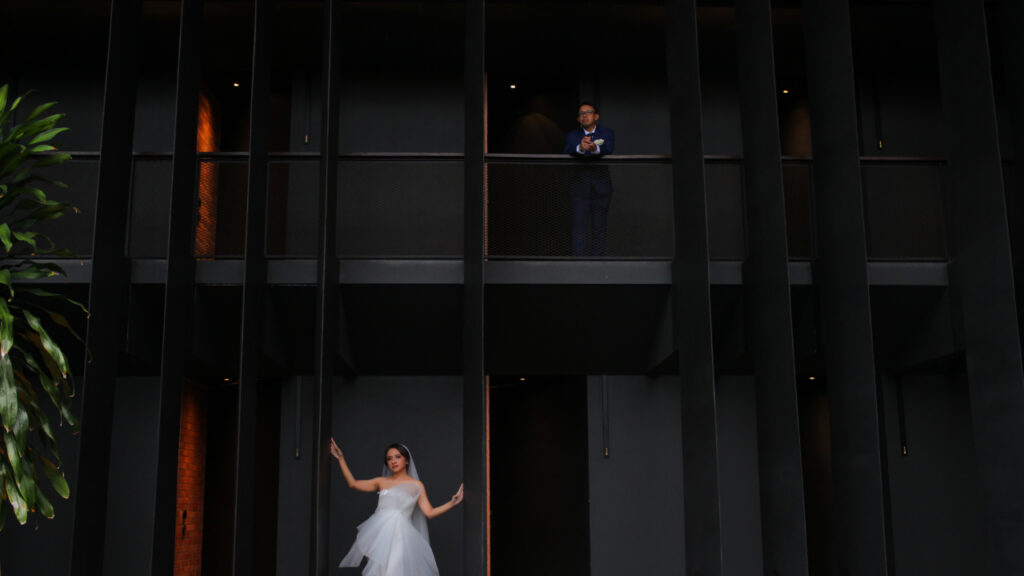
Venues with on-site rooms turn a destination wedding into a shared experience rather than a logistical exercise.
With our intimate wedding packages, the wedding party will stay in our 18 deluxe rooms and four signature rooms where they can stay together, share meals, and move through the weekend as a group. This simplifies transportation, creates a more intimate atmosphere, and gives the celebration a sense of continuity that scattered hotel bookings cannot replicate.
Best Time of Year to Get Married in Ubud
| Season | Months | Notes |
| Dry season | April – October | Best for outdoor ceremonies |
| Wet season | November – March | Lush and beautiful, afternoon rain possible |
May, June, and September offer ideal conditions with fewer crowds and better venue availability than the July–August peak.
Wet season, however, offers its own charm. Cooler air, gentle breeze, and the opportunity for a soft drizzle for that magical moment. This doesn’t mean Bali will be raining for months; there are still pockets of extremely sunny days in the middle of cloudy ones.
Book at least 12–18 months in advance for preferred dry-season dates.
Why Couples Choose Titik Dua Ubud
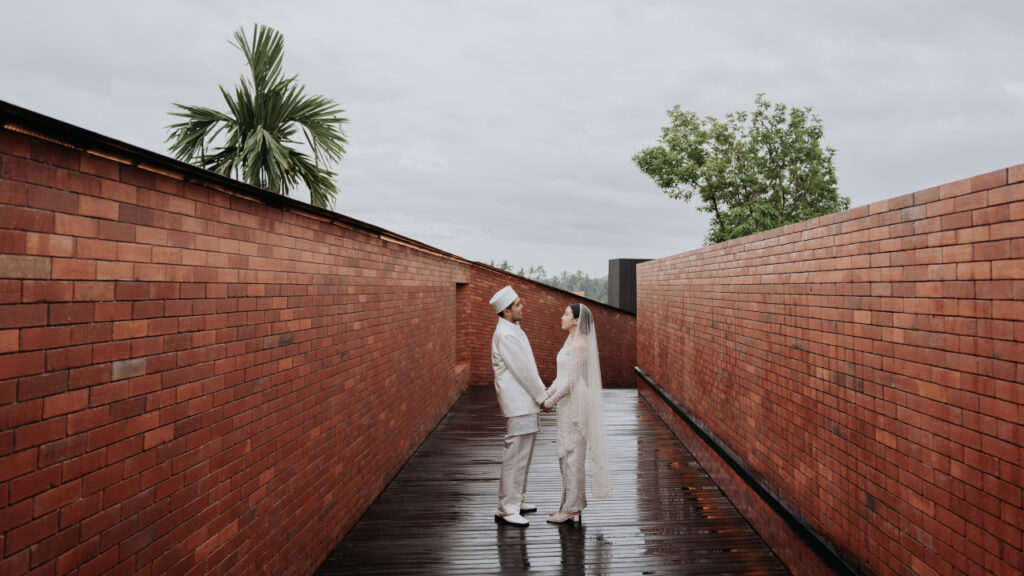
Upon arriving at Titik Dua Ubud, it quickly becomes clear why couples choose it as their wedding destination.
More than just a place to stay, this design-led retreat is an intentional escape by Andra Matin. Every space feels thoughtfully composed—contemporary in form, yet deeply rooted in art, culture, and tradition. From the moment you arrive, there’s a quiet sense that every detail is designed not just to be seen, but to be felt.
From cozy, art-filled rooms to seamless event spaces and the iconic terracotta walkway, each element flows with intention—creating a setting that feels both intimate and unforgettable for a private celebration.
Weddings here are conceived as immersive experiences, not standard hotel events. Thoughtfully designed packages offer complete peace of mind, including exclusive use of all 22 rooms, transforming the space into your own private estate for a truly unforgettable celebration.
Schedule a venue visit, request a customized proposal, or arrange a site inspection to walk the spaces and discuss what a wedding at Titik Dua Ubud could look like for the start of your forever.
FAQs About Planning a Wedding in Ubud
How much does a wedding in Ubud cost?
As aforementioned, budget from USD 10,000 for a small, intimate celebration up to USD 30,000 or more for a full boutique venue package with accommodation. Most couples planning a meaningful destination wedding with 50–100 guests land in the USD 15,000–25,000 range, or around IDR 200 mil to IDR 300 mil.
How many guests can attend a wedding in Ubud?
Most boutique venues comfortably host between 30 and 100 guests. Larger numbers are possible at resort properties, but the intimate character of Ubud is best suited to smaller, more curated gatherings.
Is a wedding planner required?
Not legally required, but strongly recommended. A local planner manages vendor coordination, legal paperwork, and day-of logistics. All of which are significantly more complex when planning from abroad.
When should we start planning?
At least 12 months in advance for a dry-season date, and ideally 18 months if you have a specific venue and month in mind. Popular boutique venues book well ahead, particularly for May through September.